
Electrical safety is no longer a background task for property owners in North London; it is part of the core responsibility of maintaining a modern, compliant, and risk-free space. As 2026 approaches, changes in inspection standards, the rising age of local housing stock, and new insurance pressures are reshaping how homeowners, landlords, and commercial property managers think about Electrical Installation Condition Reports (EICRs). A strong EICR Certificate in North London is more than a formal check; it is a protective measure that directly influences safety, value, and legal compliance.
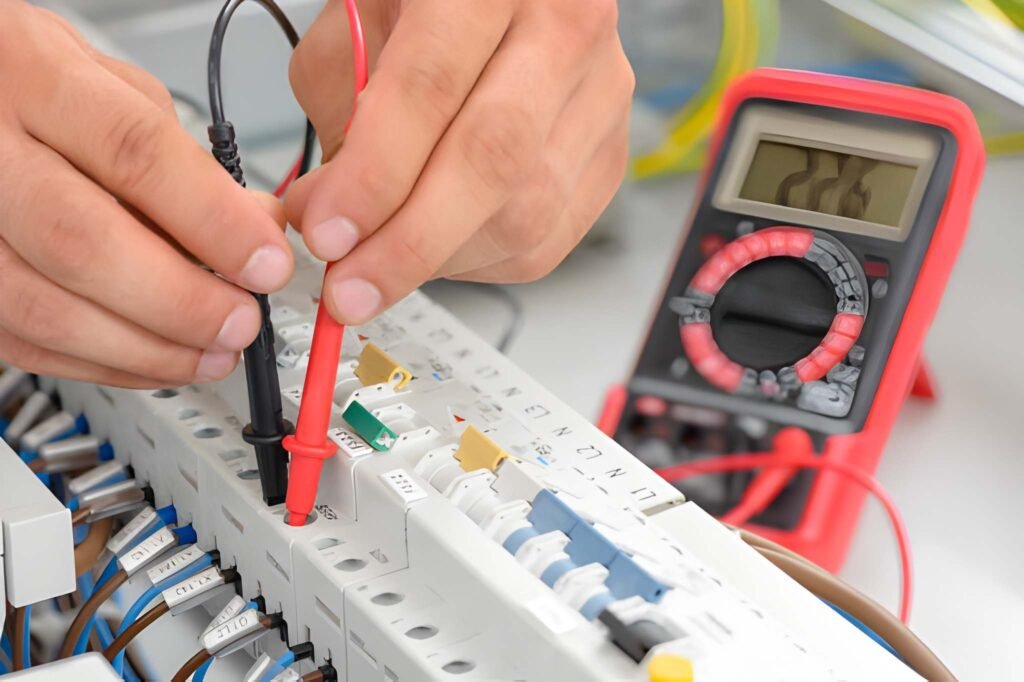
Understanding the Value of a Strong EICR Certificate in North London
North London’s properties tell a story of Victorian terraces in Finsbury Park, post-war flats in Islington, refurbished homes in Barnet, and high-density builds across Tottenham and Wood Green. Many of these homes have undergone layers of upgrades, extensions, and installations over decades. The result? Complex electrical systems with hidden vulnerabilities.
A strong EICR exposes these vulnerabilities before they turn into incidents. But what makes an EICR “strong”?
Key Features of a High-Value EICR
A strong EICR in 2026 includes:
- A complete assessment under the latest BS 7671:2018 (and amendments).
- Detailed coding (C1, C2, C3, FI) with transparent explanations.
- Thermal imaging where required.
- A load assessment for modern appliances and EV chargers.
- Realistic timelines for remedial work.
- Legally accepted certification for landlords.
In short, a strong EICR isn’t just a report — it’s a roadmap to safer living.
Why North London Properties Require High-Level Electrical Evaluation in 2026
1. Ageing Housing Stock Increases Electrical Risks
North London’s housing landscape is older than most parts of Greater London. Properties built in the 1930s, 1960s, and earlier periods often still contain:
- Outdated wiring (rubber, aluminium, or deteriorated PVC)
- Fuse boxes without RCD protection
- Old sockets and switches
- Poorly integrated extensions or loft conversions
While these features add character, they also add electrical burden.
A strong EICR is the only way to measure the actual condition of these installations.
2. 2026 Regulatory Pressure Is Rising
Landlord regulations in the UK now require periodic EICRs every 5 years, but tightening rules and greater enforcement across London boroughs mean:
- Councils may issue improvement notices.
- Fines can exceed £30,000 for non-compliance.
- Insurance claims may be rejected without proof of electrical safety.
By 2026, more local councils in North London are expected to adopt stricter safety enforcement programmes.
3. More Modern Electrical Loads Demand Safer Systems
People in North London are adding:
- EV chargers
- High-load kitchen appliances
- Smart home hubs
- Electric heating upgrades
- Air conditioning units
These systems push wiring harder than ever. Properties wired in the 80s or earlier were never designed for these loads.
A strong EICR recognises load compatibility and prevents over-current risks, fire hazards, and equipment failure.
How a Strong EICR Certificate Improves Safety Across North London
Reducing Fire Hazards Through Precise Electrical Diagnostics
Electrical faults are among the most common causes of residential fires in London. A strong EICR dramatically reduces this risk by identifying real-world threats such as:
- Loose terminations in consumer units
- Overloaded circuits
- Faulty bonding and earthing
- Deteriorated insulation
- Damaged sockets
- Historic DIY electrical work
Professional engineers test circuits under load, ensuring no fault goes unnoticed.
Protecting Tenants and Ensuring Landlord Compliance
From Enfield to Camden, landlords must comply with electrical safety laws. A strong EICR:
- Protects tenants from electrical shocks and fires
- Gives landlords written evidence of compliance
- Ensures repairs are completed with professional standards
- Reduces disputes with tenants
- Supports insurance requirements
In an era where tenant safety is monitored more closely, a top-tier EICR is a landlord’s strongest safeguard.
Safeguarding Homeowners from Hidden Electrical Failures
Even owner-occupied homes benefit. A strong EICR exposes threats homeowners rarely consider, such as:
- High resistance joints
- Neutral faults
- Earth leakage issues
- Outdated consumer units
- Faulty lighting circuits
These faults can remain hidden for years until they cause a shock or fire. A well-executed EICR prevents surprises.
How EICR Strength Affects Property Value in North London
Buyers Increasingly Demand Electrical Safety Proof
Purchasers in North London — especially in high-value areas like Highgate or Crouch End — often request recent EICR certificates before completing transactions.
A strong EICR:
- Builds trust
- Strengthens negotiation position
- Prevents last-minute delays
- Increases perceived property value
Safety is now a marketable asset.
Renovations and Extensions Rely on Updated Electrical Findings
Whether adding a loft conversion in Muswell Hill or a kitchen extension in Stamford Hill, builders require:
- Updated wiring layout
- Load assessment
- Correct circuit distribution
A strong EICR gives architects, builders, and electricians clarity before beginning work, preventing project overruns and costly redesigns.
Insurance Providers Favour Updated EICRs
Insurance claims may be compromised if a fire or electrical incident occurs without an updated certificate.
Many North London insurers in 2026 increasingly request:
- Proof of recent EICR
- Evidence of remedial work
- Verified compliance with BS 7671
A strong EICR reduces premium risks and keeps claims valid.
The 2026 Shift: Why EICR Standards Are Becoming More Rigorous
By 2026, North London is expected to see:
- Greater digital reporting
- Improved diagnostic tools
- Wider council enforcement programmes
- Updates to electrical safety law
- Increased demand for RCD-protected circuits
A “strong EICR” becomes essential because each year brings more complex electrical loads and higher safety expectations.
Why “Cheap EICRs” Won’t Deliver Safety in 2026
Budget inspections often:
- Skip detailed testing
- Provide shallow reports
- Overlook borderline faults
- Fail to verify insulation resistance thoroughly
- Produce non-compliant documentation
A strong EICR requires time, expertise, and professional testing equipment.
Safety rises only when inspections are conducted to the highest standard—not the lowest price.
How to Ensure You Receive a Strong EICR Certificate in North London
Choose Qualified, Experienced Inspectors
Look for engineers who are:
- NICEIC or NAPIT registered
- Fully insured
- Experienced with North London properties
- Transparent with remedial recommendations
Confirm Testing Includes:
- Circuit continuity
- Earth loop impedance
- RCD response time
- Insulation resistance
- Polarity testing
- Fault-finding analysis
Ask for Visual Evidence
A strong EICR often includes photos of:
- Consumer units
- Wiring conditions
- Bonding
- Faults found
This ensures transparency.
FAQs
1. How often should I get an EICR in North London?
Landlords must get one every 5 years. Homeowners should have an EICR every 10 years, or sooner if buying, selling, or renovating.
2. What happens if my property fails the EICR in 2026?
You must complete remedial work within the required timeframe. Once fixed, you’ll receive an Electrical Safety Compliance Certificate.
3. How long does an EICR take?
Most North London homes require 1–3 hours. Larger or older properties may take longer due to complex circuits.
4. Is an EICR legally required for homeowners?
Not legally — but strongly recommended, especially for insurance validity and property transactions.
5. Why is a strong EICR better than a basic one?
A strong EICR offers deeper diagnostics, more transparency, legal compliance, and clearer guidance for repairs — dramatically increasing electrical safety.