
EICR in Crouch End (Fixed Appliance Testing)
EICR in Crouch End (Fixed Appliance Testing)
Reliable Electrical Safety Inspections in London
Electrical safety is a fundamental responsibility for property owners, landlords, and businesses across London. Whether you manage rental properties, own a commercial unit, or live in your own home, maintaining a safe and compliant electrical system is essential. If you are looking for EICR in Crouch End (Fixed Appliance Testing), londonpropertyinspections.co.uk provides professional, regulation-compliant inspection services tailored to properties throughout London, UK.
Crouch End is known for its Edwardian and Victorian houses, purpose-built flats, and modern apartments. Many properties in the area have undergone renovations or conversions, which can introduce complex electrical configurations. Our experienced inspectors understand these local property characteristics and deliver thorough testing to ensure full compliance with UK safety standards.
What is an EICR?
An Electrical Installation Condition Report (EICR) is a detailed assessment of a property’s electrical installation. It evaluates the condition of wiring, consumer units, earthing systems, and fixed circuits to ensure they meet current safety regulations under BS 7671 (IET Wiring Regulations).
An EICR identifies:
- Electrical hazards
- Deterioration or damage
- Overloaded circuits
- Inadequate earthing or bonding
- Non-compliance with modern safety standards
For landlords in London, obtaining a valid EICR Testing every five years is a legal requirement under the Electrical Safety Standards in the Private Rented Sector (England) Regulations 2020. For homeowners and businesses, it is a crucial preventative safety measure.
When you book EICR in Crouch End (Fixed Appliance Testing), you receive a comprehensive inspection that covers both the electrical installation and permanently connected appliances.
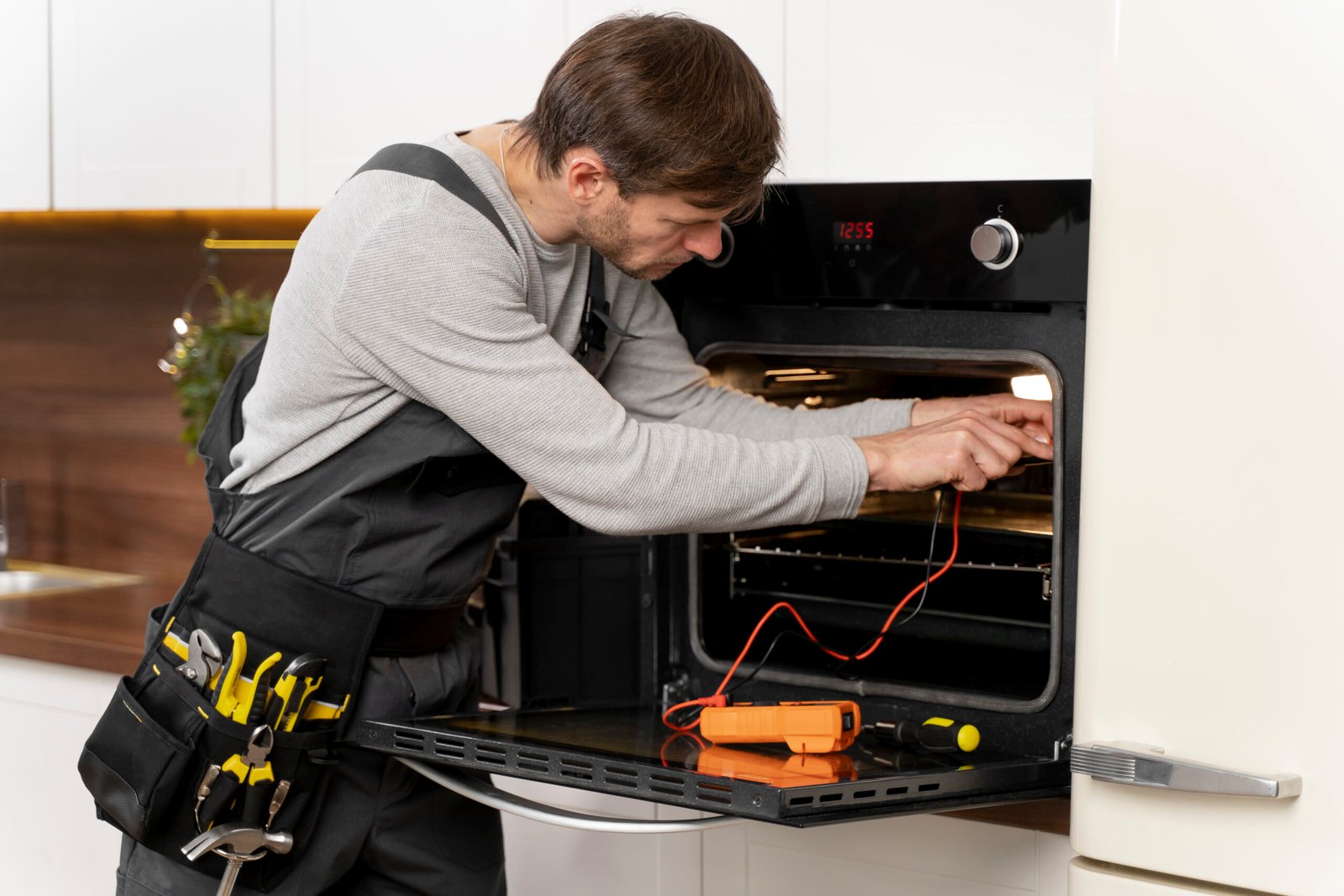
What is Fixed Appliance Testing?
Fixed appliance testing focuses on electrical equipment that is permanently connected or hardwired into the property’s electrical system. Unlike portable appliance testing (PAT), which covers plug-in items, fixed appliance testing examines built-in or directly wired equipment.
Common examples include:
- Electric ovens and hobs
- Immersion heaters
- Fixed electric showers
- Wall-mounted heaters
- Extractor fans
- Hardwired air conditioning units
- Hand dryers in commercial premises
Faults within fixed appliances can cause overheating, electric shock, or fire hazards. Including fixed appliance testing alongside an EICR ensures a complete safety evaluation of your property.
At londonpropertyinspections.co.uk, our engineers carefully test both the installation and fixed equipment to provide a comprehensive safety report.
Why EICR is Essential in Crouch End
Older Electrical Installations
Crouch End properties often date back several decades. While charming and structurally sound, older electrical systems may lack modern safety features such as RCD protection or adequate bonding.
Property Conversions
Many large houses have been converted into flats. In such cases, electrical systems may have been modified multiple times, increasing the risk of non-compliance.
Landlord Legal Compliance
Landlords must provide tenants with a valid EICR and ensure remedial work is completed within the required timeframes. Failure to comply can result in significant penalties.
Fire Prevention
Electrical faults remain one of the leading causes of domestic fires in the UK. Regular inspections significantly reduce this risk.
Our EICR and Fixed Appliance Testing Process
londonpropertyinspections.co.uk follows a structured, professional approach to ensure accurate results and full transparency.
1. Initial Consultation
We gather details about your property type, size, occupancy status, and access requirements. This allows us to plan efficiently and minimise disruption.
2. Visual Inspection
Our qualified engineers inspect:
- Consumer unit (fuse board)
- Distribution boards
- Socket outlets and switches
- Lighting circuits
- Earthing and bonding arrangements
- Visible wiring condition
3. Electrical Testing
We conduct both dead and live testing, including:
- Insulation resistance tests
- Continuity checks
- Polarity verification
- Earth fault loop impedance testing
- RCD trip time testing
4. Fixed Appliance Examination
Permanently connected appliances are inspected for:
- Correct installation
- Secure wiring connections
- Functional safety
- Signs of overheating or deterioration
5. Detailed Digital Report
You receive a full EICR with clear classification codes:
- C1: Danger present – immediate action required
- C2: Potentially dangerous – urgent remedial work needed
- C3: Improvement recommended
- FI: Further investigation required
If your installation meets standards, a satisfactory certificate is issued. If not, we provide clear guidance on required remedial actions.
Who Needs EICR in Crouch End?
Landlords
Mandatory every five years or at the start of a new tenancy.
Homeowners
Recommended every ten years or when buying or selling property.
Commercial Property Owners
Typically required every five years, depending on business type and risk assessment.
HMO Operators
Often require more frequent inspections due to higher occupancy risk.
Common Issues Identified in London Properties
During inspections across London, we frequently identify:
- Outdated fuse boards without RCD protection
- Insufficient earthing or bonding
- Deteriorated cable insulation
- Overloaded circuits
- Incorrect circuit breaker ratings
- Unsafe DIY electrical alteration
In converted properties, hidden junction boxes or poorly installed extensions can present additional risks. Professional testing ensures these hazards are identified and resolved.
How Often Should an EICR Be Carried Out?
General guidance includes:
- Rental properties: Every 5 years
- Owner-occupied homes: Every 10 years
- Commercial premises: Every 5 years
- After major renovation: Immediately upon completion
If your consumer unit is outdated or you have recently installed new fixed appliances, scheduling an inspection is advisable.
Preparing for Your Inspection
To ensure an efficient inspection:
- Provide access to the consumer unit
- Inform tenants in advance
- Ensure all rooms and appliances are accessible
- Share previous electrical certificates if available
Most residential inspections take between 2 and 4 hours, depending on property size and complexity.
Why Choose londonpropertyinspections.co.uk?
Qualified and Experienced Engineers
Our team is trained to inspect both traditional and modern London properties.
Transparent Reporting
Clear, professional reports with straightforward explanations of findings.
Fast Certification
Digital certificates are delivered promptly to meet legal and transactional deadlines.
Competitive Pricing
Affordable inspection packages for landlords, homeowners, and businesses.
London-Focused Service
We understand the electrical requirements specific to London boroughs and property types.
Protect Your Property and Tenants
Electrical safety is not just a legal requirement—it is an investment in long-term protection. A professional EICR in Crouch End (Fixed Appliance Testing) ensures your property meets current safety regulations and minimises the risk of fire or electrical failure.
Whether you manage rental properties, operate a commercial space, or own your own home, londonpropertyinspections.co.uk provides dependable and compliant electrical inspection services throughout London.
Book your inspection today and ensure your property remains safe, compliant, and fully certified.
FAQs
1. What is included in EICR in Crouch End (Fixed Appliance Testing)?
It includes inspection and testing of your electrical wiring, consumer unit, circuits, earthing systems, and permanently connected appliances to ensure compliance with UK safety standards.
2. Is an EICR legally required for landlords in London?
Yes. Landlords must obtain a valid EICR every five years and provide a copy to tenants and local authorities if requested.
3. How long does an EICR inspection take?
Most residential inspections take 2–4 hours, depending on the property size and number of circuits.
4. What happens if faults are found?
If C1 or C2 issues are identified, remedial work must be completed before a satisfactory certificate can be issued.
5. Does fixed appliance testing replace PAT testing?
No. Fixed appliance testing covers hardwired equipment, while PAT testing applies to portable plug-in appliances. Both may be required depending on the property type.