
EICR in Leyton (Fixed Appliance Testing)
EICR in Leyton (Fixed Appliance Testing
Professional Electrical Compliance Services in Leyton, London
Electrical safety is not just a regulatory obligation—it is a responsibility that protects lives, property, and business continuity. In fast-growing areas such as Leyton, landlords, homeowners, and commercial property managers must ensure that their electrical installations and fixed appliances meet strict UK safety standards.
At londonpropertyinspections.co.uk, we specialise in EICR in Leyton (Fixed Appliance Testing), delivering comprehensive inspection, testing, and certification services across Leyton and surrounding parts of East London. Our approach is professional, methodical, and compliant with the latest BS 7671 Wiring Regulations and relevant UK legislation.
What is an EICR?
An Electrical Installation Condition Report (EICR) is a formal inspection of a property’s fixed electrical installation. It assesses the condition, safety, and compliance of wiring systems, distribution boards, circuits, and protective devices.
The purpose of an EICR is to:
- Identify electrical defects or deterioration
- Detect fire and electric shock risks
- Ensure compliance with current regulations
- Recommend remedial action where necessary
An EICR is not optional for landlords—it is a legal requirement under the Electrical Safety Standards in the Private Rented Sector (England) Regulations 2020.
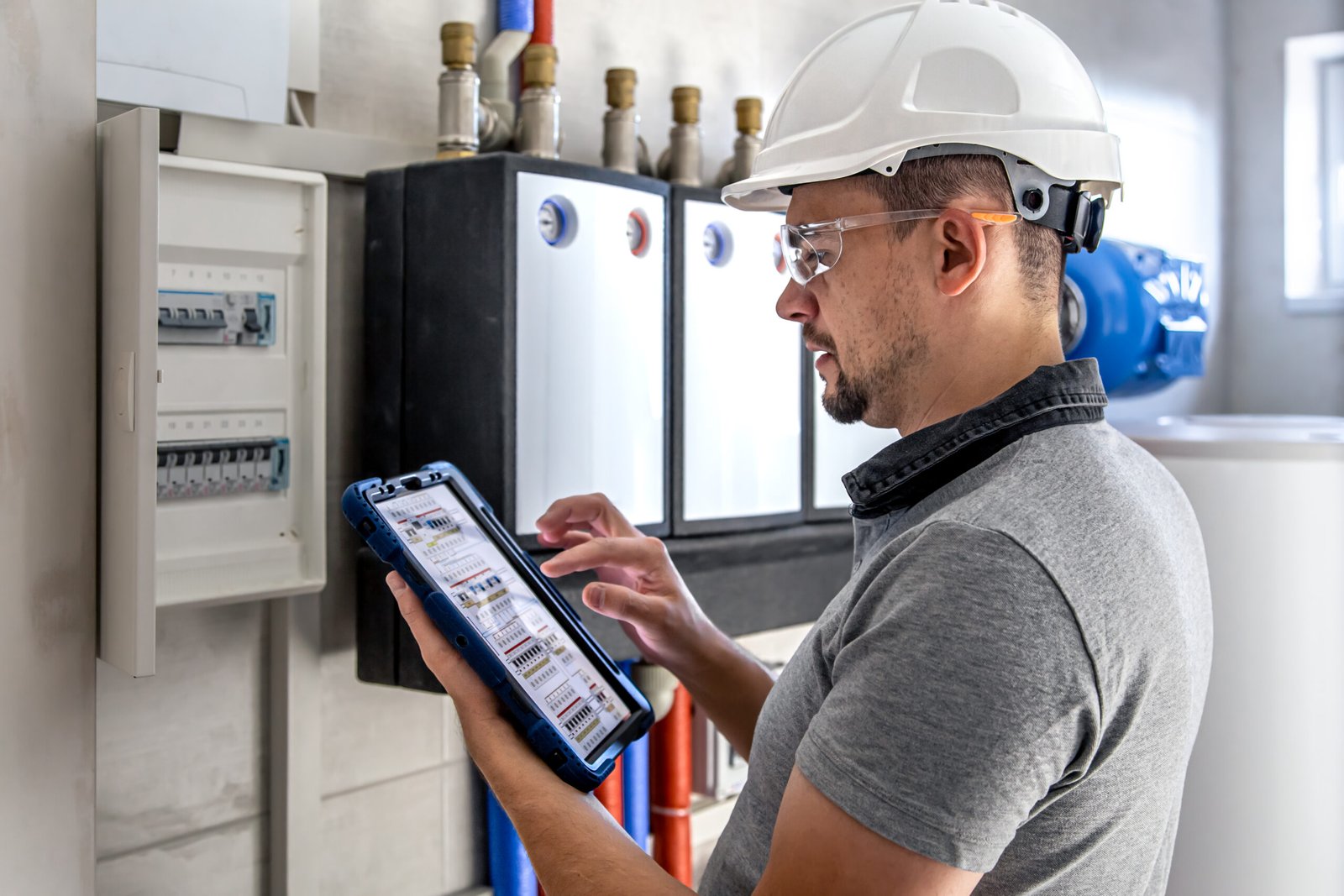
Advanced Electrical Compliance in Leyton
Electrical systems are one of the most critical infrastructures within any property. In an area like Leyton, where property stock ranges from pre-war terraced homes to newly developed apartment blocks and commercial units, the condition of electrical installations varies considerably.
At londonpropertyinspections.co.uk, we do not approach electrical testing as a box-ticking exercise. Instead, we conduct structured, risk-based inspections designed to identify both immediate dangers and long-term deterioration patterns. Our EICR in Leyton (Fixed Appliance Testing) service is designed to provide full-spectrum electrical safety assurance.
The Technical Depth of an EICR Inspection
Many property owners underestimate the complexity involved in a properly conducted EICR. It is not a simple visual review — it is a multi-stage technical process requiring specialist instruments, calibrated testing equipment, and deep knowledge of BS 7671 standards.
Circuit Integrity Analysis
We assess:
- Radial and ring final circuits
- Protective conductor continuity
- Neutral and phase integrity
- Voltage drop compliance
- Maximum demand calculations
This ensures circuits are not only functional but designed and maintained within safe operating limits.
RCD & RCBO Performance Testing
Residual Current Devices (RCDs) are critical life-saving components. During testing, we:
- Measure trip times at various multiples of rated current
- Confirm disconnection within permitted milliseconds
- Verify proper coordination with circuit breakers
In older Leyton properties, outdated consumer units frequently fail modern RCD performance requirements.
Earthing System Verification
Correct earthing protects against electric shock and fire risk. We confirm:
- Type of earthing arrangement (TN-S, TN-C-S, TT)
- Integrity of the main protective bonding
- Continuity of gas and water services
- Adequate earth fault loop impedance
Improper earthing is one of the most serious hazards identified during inspections in converted flats across East London.
Fixed Appliance Testing Technical Approach
Fixed appliances are often high-load devices. Over time, thermal cycling and mechanical stress degrade connections.
Our detailed inspection includes:
Terminal Condition Assessment
We examine for:
- Heat damage
- Carbonisation
- Loose screws
- Degraded insulation
Load & Functional Testing
Where applicable, we:
- Confirm the correct operating current
- Assess heating elements
- Verify thermostat functionality
- Check motor-driven units (fans, pumps)
Insulation Resistance Testing
This detects microscopic breakdown in internal wiring that could lead to short circuits or shock risk.
Why Leyton Properties Require Particular Attention
Leyton’s housing stock presents unique compliance challenges:
1. Victorian & Edwardian Homes
These often contain:
- Legacy wiring systems
- Mixed generations of upgrades
- Inadequate bonding
2. Property Conversions
Loft and basement conversions may:
- Add electrical load beyond the original design
- Introduce poorly documented circuit alterations
3. High Rental Turnover
Frequent tenancy changes can:
- Increase wear on installations
- Lead to undocumented appliance changes
4. Growing Commercial Sector
Retail shops, cafes, and service businesses operate:
- Heavy-duty fixed equipment
- Extended operating hours
- High energy consumption loads
These factors increase the importance of periodic inspection.
Risk Management for Landlords in Leyton
Electrical non-compliance is not just a regulatory issue — it is a liability risk.
Landlords face potential consequences, including:
- Local authority enforcement notices
- Civil penalties
- Insurance claim rejection
- Tenant compensation claims
- Criminal prosecution in severe cases
A professionally conducted EICR in Leyton (Fixed Appliance Testing) significantly reduces these risks.
Insurance & Compliance Benefits
Many insurers now request:
- Valid EICR certification
- Evidence of regular electrical maintenance
- Proof of fixed appliance inspection
Failure to demonstrate due diligence may invalidate policies in the event of an electrical fire.
Routine inspection strengthens your risk profile and provides documentation for insurers.
Commercial Sector: Business Continuity Protection
For Leyton businesses, electrical faults mean:
- Downtime
- Revenue loss
- Reputational damage
- Health & Safety breaches
Restaurants, gyms, salons, offices, and retail outlets rely heavily on fixed appliances. A failed hardwired oven or ventilation unit can halt operations immediately.
Our preventative testing approach helps avoid unexpected failure.
Why EICR is Essential in Leyton
Leyton, located within the London Borough of Waltham Forest, contains a diverse range of properties, including:
- Victorian and Edwardian terraced houses
- Converted flats
- Modern apartment blocks
- Retail shops and commercial premises
- Small industrial units
Older properties often contain ageing wiring, outdated consumer units, or insufficient earthing systems. Meanwhile, commercial units may experience heavy electrical loads, increasing wear and tear.
Regular EICR testing ensures these installations remain safe and compliant.
Fixed Appliance Testing Explained
What is Fixed Appliance Testing?
Fixed Appliance Testing refers to the inspection and testing of permanently connected electrical equipment. Unlike portable appliance testing (PAT), fixed appliance testing covers hardwired equipment such as:
- Electric showers
- Storage heaters
- Immersion heaters
- Extractor fans
- Hand dryers
- Built-in ovens and hobs
- Commercial kitchen equipment
- Fixed air conditioning units
These appliances form part of the fixed electrical installation and must be tested as part of a comprehensive electrical safety regime.
Why Fixed Appliance Testing Matters
Fixed appliances are often overlooked because they are permanently installed. However, they can develop faults such as:
- Insulation breakdown
- Loose connections
- Overheating terminals
- Electrical leakage
- Mechanical deterioration
In commercial environments, faulty fixed appliances can lead to business disruption, fire hazards, and liability claims.
By integrating Fixed Appliance Testing with an EICR in Leyton, londonpropertyinspections.co.uk provides a complete electrical compliance solution.
Legal Requirements in Leyton, London
Landlords’ Obligations
Landlords in Leyton must:
- Conduct an EICR at least every five years
- Provide tenants with a copy of the report
- Complete remedial work within 28 days (or sooner if specified)
Failure to comply can result in enforcement action and financial penalties.
Commercial Property Responsibilities
Businesses in Leyton must comply with:
- Electricity at Work Regulations 1989
- Health and Safety at Work Act 1974
These regulations require employers to ensure that electrical systems and equipment are safe for use. Fixed Appliance Testing plays a crucial role in meeting these obligations.
What Our EICR in Leyton Service Includes
At londonpropertyinspections.co.uk, our service is comprehensive and detail-oriented.
1. Visual Inspection
We begin with a thorough visual assessment of:
- Consumer units
- Circuit breakers
- Wiring systems
- Earthing and bonding
- Fixed appliances
This step identifies obvious damage, overheating, or non-compliance.
2. Dead Testing
The installation is safely isolated before we perform:
- Continuity tests
- Insulation resistance tests
- Protective conductor verification
Dead testing ensures wiring integrity and confirms there are no hidden faults.
3. Live Testing
Once safe, we conduct live testing to assess:
- Earth fault loop impedance
- RCD operation
- Voltage performance
- Polarity
Live testing verifies that safety devices operate correctly under real conditions.
4. Fixed Appliance Testing
For permanently wired equipment, we:
- Inspect the mechanical condition
- Check connection integrity
- Measure insulation resistance
- Test earth continuity
- Verify operational performance
All findings are recorded in detail.
5. Detailed Reporting
You will receive:
- A full EICR document
- Clear classification codes (C1, C2, C3, FI)
- Fixed appliance test results
- Recommendations for remedial action
- Compliance confirmation, where applicable
Our reports are clear, professional, and easy to understand.
Common Electrical Issues Found in Leyton Properties
Through years of experience in Leyton and East London, we frequently encounter:
Outdated Fuse Boards
Older properties often lack modern RCD protection, increasing fire risk.
Overloaded Circuits
Property conversions frequently result in increased demand on original circuits.
Inadequate Bonding
Missing or insufficient bonding to gas and water services creates shock hazards.
Deteriorated Fixed Appliances
Commercial kitchens and rental properties often show signs of heavy wear.
DIY Modifications
Uncertified electrical alterations compromise safety and compliance.
Who Needs EICR and Fixed Appliance Testing in Leyton?
Our services are ideal for:
- Private landlords
- Letting agents
- Homeowners
- Commercial property owners
- Retail businesses
- Restaurants and cafes
- Offices
- Industrial unit managers
- Housing associations
Whether managing a single flat or multiple properties, compliance is critical.
Benefits of Choosing londonpropertyinspections.co.uk
Local Expertise in Leyton
We understand the property types and electrical challenges specific to Leyton.
Fully Qualified Engineers
Certified and experienced professionals conduct all inspections.
Transparent Pricing
No hidden fees. Clear quotations. Competitive rates.
Efficient Turnaround
Fast appointments and prompt certificate delivery.
Comprehensive Service
EICR and Fixed Appliance Testing combined for complete compliance.
Minimal Disruption
We work efficiently to reduce inconvenience to tenants or staff.
How Often Should Testing Be Conducted?
Rental Properties
Every 5 years or change of tenancy.
Owner-Occupied Homes
Recommended every 10 years.
Commercial Premises
Typically, every 5 years, depending on risk assessment.
High-Risk Environments
More frequent inspections may be required.
Fixed appliances should be inspected periodically based on usage intensity.
Preparing for Your Inspection
To ensure a smooth process:
- Provide access to all electrical areas
- Inform tenants or staff
- Make fixed appliances accessible
- Share previous reports if available
Proper preparation enables thorough, efficient testing.
The Importance of Compliance in a Growing Area Like Leyton
Leyton continues to experience residential growth and commercial development. With increased occupancy comes increased electrical demand.
Electrical safety is not simply about meeting legal requirements—it is about:
- Protecting tenants and occupants
- Avoiding costly downtime
- Preventing fire damage
- Maintaining property value
- Demonstrating professional responsibility
A proactive approach to EICR in Leyton (Fixed Appliance Testing) safeguards both people and investments.
Why Combine EICR and Fixed Appliance Testing?
Combining both services ensures:
- Complete electrical system coverage
- Reduced inspection costs
- Streamlined compliance
- Unified documentation
- Greater safety assurance
Rather than treating fixed appliances separately, we integrate them into a cohesive safety assessment.
Long-Term Value of Professional Electrical Testing
Professional testing reduces:
- Emergency repair costs
- Insurance claim disputes
- Legal liabilities
- Tenant complaints
- Business interruptions
Routine inspection is an investment in safety and operational stability.
FAQs
1. What is included in EICR in Leyton (Fixed Appliance Testing)?
Our service includes a full inspection and testing of the fixed electrical installation, along with detailed testing of permanently connected appliances such as showers, ovens, heaters, and commercial equipment.
2. How long does the inspection take?
The duration depends on property size and number of circuits and fixed appliances. A standard residential property typically takes 3–4 hours, while commercial properties may require longer.
3. Is Fixed Appliance Testing legally required?
While not always separately mandated, fixed appliances fall under employer and landlord safety responsibilities. Testing helps ensure compliance with Electricity at Work Regulations and related legislation.
4. What happens if faults are found?
If issues are identified, they will be classified (C1, C2, C3, or FI). Urgent issues must be rectified promptly. We can advise on necessary remedial actions.
5. How often should I book EICR and Fixed Appliance Testing?
Rental properties require testing every five years. Commercial premises usually follow a five-year cycle, though higher-risk environments may need more frequent inspections.