
EICR in Totteridge (Fixed Appliance Testing)
EICR in Totteridge (Fixed Appliance Testing)
Certified Electrical Safety Inspections Across London
Certified Electrical Safety Inspections for London Properties
Electrical safety is essential for protecting people, property, and investments. Whether you own a residential property, manage rental accommodation, or operate a commercial premises in London, ensuring your electrical system is regularly inspected is a legal and practical necessity. Faulty wiring, overloaded circuits, and deteriorating fixed appliances can all pose serious risks, including fire hazards and electric shock.
If you require EICR in Totteridge (Fixed Appliance Testing), londonpropertyinspections.co.uk provides professional, fully compliant electrical inspection services tailored to properties across London.
Totteridge is known for its large detached homes, luxury residences, gated developments, and well-maintained period properties. Many homes feature extensions, outbuildings, garden offices, swimming pool systems, and high-specification electrical installations. These complex systems require detailed inspection and testing to ensure they meet current UK safety regulations. Our qualified engineers deliver comprehensive reporting and dependable EICR in Certificate North London for homeowners, landlords, and commercial clients throughout the area.
Electrical safety is a critical responsibility for landlords, homeowners, and commercial property managers throughout London. Ageing wiring, overloaded circuits, and poorly maintained electrical systems can lead to serious hazards such as electric shock, fire, and costly property damage. If you require EICR in Upper Edmonton (Fixed Appliance Testing), londonpropertyinspections.co.uk provides professional, compliant, and fully certified electrical inspections tailored to London properties.
Upper Edmonton features a diverse range of properties, including Victorian terraces, mid-century homes, purpose-built flats, and mixed-use commercial premises. Many of these buildings have undergone extensions, refurbishments, or internal reconfigurations over time. Such alterations can impact the safety and performance of electrical systems if not properly inspected. Our experienced engineers understand the local property landscape and deliver thorough, regulation-compliant reports that ensure safety and peace of mind.
What is an EICR?
An Electrical Installation Condition Report (EICR) is a formal document issued following an in-depth inspection and testing of a property’s electrical installation. It evaluates whether the installation complies with the current BS 7671 IET Wiring Regulations and confirms whether it is safe for continued use.
An EICR examines:
- Consumer units (fuse boards and distribution boards)
- Wiring systems and circuit configurations
- Socket outlets and switches
- Lighting circuits
- Earthing and bonding arrangements
- Residual Current Device (RCD) protection
- Circuit load capacity and breaker ratings
The inspection identifies any defects, deterioration, damage, or non-compliance that may compromise safety.
For landlords in England, EICRs are legally required every five years under the Electrical Safety Standards in the Private Rented Sector Regulations 2020. Commercial properties typically require inspections every five years, depending on risk assessment. Homeowners are advised to arrange an inspection every ten years or prior to selling or purchasing a property.
Booking an EICR in Totteridge (Fixed Appliance Testing) ensures your entire installation and permanently connected appliances are thoroughly assessed in one comprehensive visit.
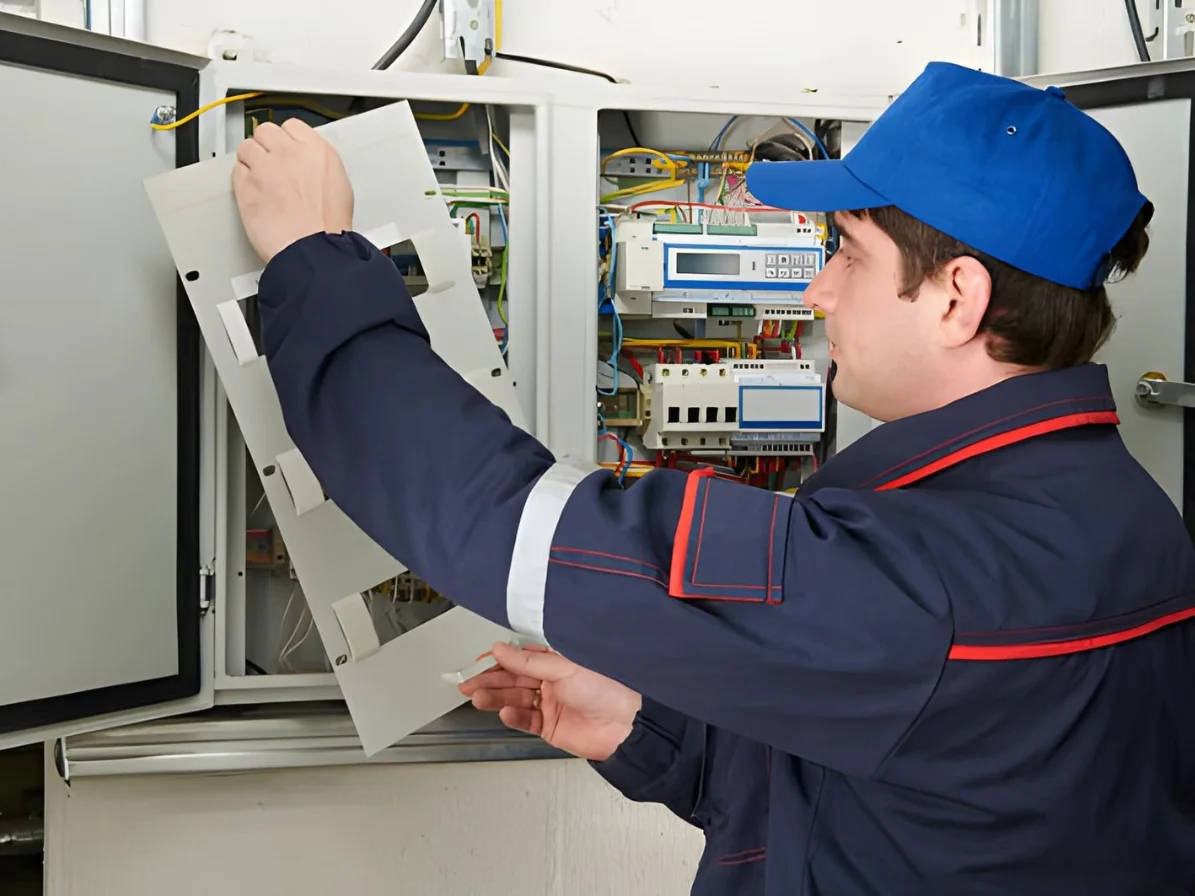
What is Fixed Appliance Testing?
Fixed appliance testing focuses on appliances that are permanently connected (hardwired) into the electrical system. Unlike portable appliances, these cannot simply be unplugged and require professional examination and testing.
Examples of fixed appliances include:
- Built-in ovens and induction hobs
- Electric showers
- Immersion heaters
- Underfloor heating systems
- Wall-mounted electric heating units
- Hardwired air conditioning systems
- Electric vehicle charging points
- Pool pumps and garden electrical systems
- Commercial catering or office equipment
Over time, these appliances can develop internal faults, loose connections, overheating issues, or insulation degradation. Because they are permanently connected, faults may go unnoticed until they become dangerous.
Integrating fixed appliance testing with your EICR provides a complete electrical safety review. At londonpropertyinspections.co.uk, we ensure both the installation and fixed equipment are professionally assessed.
Why EICR is Important in Totteridge
1. High-Specification Electrical Installations
Many properties in Totteridge feature advanced electrical systems, including smart home automation, security systems, and garden lighting networks. Complex installations require professional testing to ensure ongoing safety.
2. Larger Properties with Outbuildings
Detached homes often include garages, garden offices, or annexes with separate circuits. These additional installations must be tested to ensure compliance.
3. Ageing Installations
Even well-maintained homes can have electrical systems that deteriorate over time. Insulation can weaken, connections can loosen, and safety devices may fail.
4. Landlord Compliance
Rental properties in Totteridge must meet strict legal requirements. A valid EICR ensures compliance and tenant safety.
5. Fire Prevention and Risk Reduction
Electrical faults are among the leading causes of residential fires in the UK. Routine inspections significantly reduce this risk.
Our EICR and Fixed Appliance Testing Process
At londonpropertyinspections.co.uk, we follow a structured inspection process to ensure accurate results and clear reporting.
Step 1: Initial Assessment
We review property size, layout, occupancy, and electrical complexity before beginning the inspection.
Step 2: Visual Inspection
Our engineers check:
- Consumer units and distribution boards
- Socket outlets and switches
- Lighting systems
- Earthing and bonding conductors
- Visible cable condition
- Signs of overheating or damage
Step 3: Electrical Testing
Comprehensive testing includes:
- Insulation resistance testing
- Circuit continuity testing
- Polarity verification
- Earth fault loop impedance measurement
- RCD trip-time testing
These tests confirm the effectiveness of protective devices and the integrity of the wiring system.
Step 4: Fixed Appliance Examination
Each permanently connected appliance is assessed for:
- Correct installation
- Secure electrical connections
- Functional performance
- Evidence of overheating or wear
- Compliance with safety standards
Step 5: Reporting and Certification
You receive a detailed digital EICR report. Observations are classified as:
- Immediate danger (urgent remedial work required)
- Potentially dangerous (remedial work required)
- Improvement recommended
- Further investigation required
If no serious hazards are found, a satisfactory certificate is issued.
Who Needs EICR in Totteridge?
Landlords
Mandatory every five years and at the beginning of new tenancies.
Homeowners
Recommended every ten years or before buying or selling property.
Commercial Property Owners
Typically required every five years, depending on business type and risk level.
HMO Landlords
Often subject to more frequent inspections due to occupancy levels.
Common Electrical Issues Identified in London Properties
During inspections across London, we frequently identify:
- Outdated consumer units without RCD protection
- Inadequate earthing or bonding
- Overloaded circuits
- Deteriorating cable insulation
- Incorrectly rated circuit breaker
- Poorly executed electrical alterations
- Insufficient circuit labelling
Addressing these issues ensures long-term safety and regulatory compliance.
Recommended Inspection Frequency
- Rental properties: Every 5 years
- Owner-occupied homes: Every 10 years
- Commercial premises: Every 5 years
- After major renovations or electrical upgrades: Immediately
Newly installed fixed appliances should also be tested to ensure safe integration.
Preparing for Your Inspection
To facilitate a smooth process:
- Provide access to consumer units and distribution boards
- Ensure all rooms and outbuildings are accessible
- Notify tenants if applicable
- Make fixed appliances reachable
- Provide previous certificates where available
Inspection times vary depending on property size, but typically range from 3–5 hours for larger homes.
Why Choose londonpropertyinspections.co.uk?
Qualified Electrical Inspectors
Experienced engineers familiar with London property standards.
Clear and Detailed Reporting
Digital reports with transparent findings and recommendations.
Prompt Certification
Fast turnaround to meet legal or transactional deadlines.
Competitive Pricing
Tailored inspection packages for residential and commercial clients.
London-Wide Service
Reliable coverage across Totteridge and all surrounding London areas.
Protect Your Totteridge Property Today
Electrical systems naturally degrade over time. Without professional inspection, hidden defects may present serious risks. A certified EICR in Totteridge (Fixed Appliance Testing) ensures your property remains safe, compliant, and fully protected under current UK regulations.
Whether you manage rental properties, own a private residence, or operate a commercial facility, londonpropertyinspections.co.uk delivers dependable, regulation-compliant electrical inspection services across London.
Book your inspection today and safeguard your property’s electrical safety.
FAQs
1. What does EICR in Totteridge (Fixed Appliance Testing) include?
It includes inspection and testing of wiring systems, consumer units, circuits, earthing arrangements, RCD protection, and permanently connected appliances to ensure compliance with UK standards.
2. Is an EICR legally required for landlords?
Yes. Landlords in England must obtain a valid EICR every five years and provide it to tenants.
3. How long does an EICR inspection take?
For larger properties in Totteridge, inspections typically take between 3 and 5 hours, depending on system complexity.
4. What happens if faults are identified?
If C1 or C2 issues are found, remedial work must be completed before a satisfactory certificate can be issued.
5. Does fixed appliance testing replace PAT testing?
No. Fixed appliance testing covers hardwired equipment, while PAT testing applies to portable plug-in appliances. Both may be required depending on the property type.